The evolution of gambling a historical perspective
Ancient Beginnings
The history of gambling can be traced back thousands of years to ancient civilizations. The earliest forms of betting were likely informal and involved basic elements such as dice. Archaeological findings suggest that the earliest dice, made from materials like bone or wood, date back to around 3000 BC in Mesopotamia. These primitive games laid the groundwork for more structured forms of gambling, setting the stage for future developments. As societies evolved, so did the complexity and organization of gambling activities, with resources like mafiacasino-official.org showcasing modern options for enthusiasts.

In ancient China, gambling emerged not just as a pastime but also as a way to make decisions, illustrated by the use of “keno” as a method for fundraising. Similarly, the Romans integrated gambling into their culture, particularly during festive events. They introduced various games, such as betting on gladiatorial contests. This cultural acceptance of gambling was mirrored in many societies, creating a tapestry of gaming traditions that varied from one region to another.
The religious and societal views on gambling were often contradictory. While some cultures celebrated it as a form of entertainment, others condemned it. In many instances, gambling was linked to deities, turning it into a spiritual experience. This duality continued to shape attitudes towards gambling throughout history, leading to evolving regulations and societal norms that both facilitated and restricted gambling activities across different civilizations.
Medieval to Renaissance Periods
During the medieval period, gambling was prevalent in Europe, particularly among the nobility. Games such as dice and card games became popular pastimes. The establishment of gaming houses began to emerge, marking a shift from informal gambling to more organized structures. However, the Church viewed gambling with suspicion, often condemning it as a vice. This led to fluctuating regulations, with some monarchs attempting to suppress gambling entirely while others turned a blind eye, recognizing its popularity.
The Renaissance brought about an explosion of creativity and innovation, impacting gambling as well. The invention of new card games coincided with the increased production of playing cards in Europe, making them more accessible to the public. This era also saw the creation of lotteries, initially designed to fund public projects and governmental initiatives. These lotteries became immensely popular, further embedding gambling into the social fabric of society.
As the Renaissance progressed, the social and economic implications of gambling became apparent. It was no longer merely a diversion but had grown into an essential aspect of social interaction and economic exchange. The proliferation of gaming houses evolved into formal establishments where patrons could engage in various games, setting the foundation for the modern casino. This period marked a significant turning point in the evolution of gambling, leading to greater acceptance and regulation.
The Rise of Modern Gambling
The 18th and 19th centuries marked the rise of modern gambling as we know it today. The establishment of the first official casino, the Casino di Venezia, in Italy in 1638 paved the way for a new era of gambling entertainment. These establishments offered a range of games, from card games to roulette, and attracted a diverse clientele. The concept of gambling as a luxury experience took hold, transforming the perception of gambling in society.
The expansion of gambling continued with the establishment of state lotteries and betting houses, particularly in England and the United States. The creation of organized sports betting also emerged during this time, allowing the public to wager on various sporting events. This development not only diversified gambling activities but also laid the groundwork for the legal framework surrounding betting, which would evolve in the coming decades.
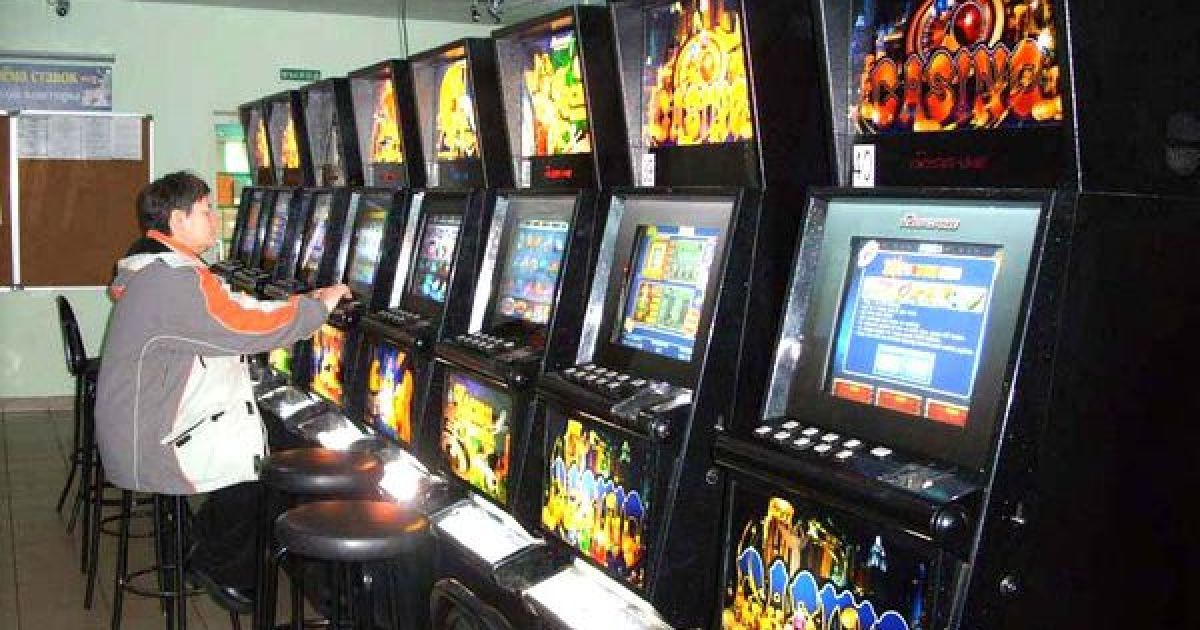
Technological advancements during the industrial revolution further impacted the gambling landscape. The invention of the slot machine in the late 19th century created a new type of gambling experience that appealed to a broader audience. This innovation led to the establishment of more casinos, increasing the accessibility of gambling. The evolving social attitudes towards gambling also contributed to its popularity, marking a significant shift in how it was viewed within society.
Gambling in the 20th Century
The 20th century witnessed a dramatic transformation in the gambling industry, driven by changes in legislation, technology, and social norms. The legalization of gambling in various jurisdictions, particularly in the United States during the mid-20th century, revolutionized the landscape. Las Vegas emerged as the gambling capital of the world, attracting millions of visitors seeking entertainment and chance. The city became synonymous with extravagant casinos and opulent gaming experiences.
The introduction of online gambling in the late 1990s marked another watershed moment in the evolution of gambling. The internet enabled players to participate in games from the comfort of their homes, breaking geographical barriers. This shift not only expanded the audience for gambling but also prompted new regulations and discussions around responsible gaming practices. The convenience of online platforms has since influenced the traditional casino model, leading to a hybrid form of gambling.
Throughout the latter half of the century, gambling continued to permeate popular culture, with films, music, and literature reflecting its allure and risks. The rise of celebrity poker tournaments and reality TV gambling shows helped to glamorize gambling, further embedding it in the cultural consciousness. However, this increased visibility also sparked debates about addiction and the societal impact of gambling, leading to an ongoing discourse about responsible gaming and its implications.
The Current Landscape and Future of Gambling
Today, gambling is a multi-billion-dollar global industry characterized by both innovation and regulation. The advent of mobile gaming has transformed how people engage with gambling, allowing for seamless experiences through smartphones and tablets. Players can now access a plethora of games and betting options anytime, anywhere, driving significant growth in the sector. This technological evolution has also prompted regulatory bodies to adapt, ensuring safe and fair gaming practices.
The rise of cryptocurrencies and blockchain technology is another trend reshaping the gambling landscape. These technologies offer enhanced security and anonymity, appealing to a growing demographic of tech-savvy gamblers. Online casinos are increasingly adopting these payment methods, creating a new paradigm for transactions. Additionally, the integration of live dealer games has enriched the online experience, providing players with a more immersive atmosphere.
As gambling continues to evolve, issues surrounding responsible gaming remain at the forefront of discussions. The industry is increasingly focused on promoting awareness and implementing measures to prevent addiction. Educational campaigns and self-exclusion programs are being developed to support players. The future of gambling promises to be dynamic, balancing innovation with the need for social responsibility as it continues to adapt to the changing societal landscape.
Mafia Casino: A New Era of Gaming
With the evolution of gambling in mind, platforms like Mafia Casino are redefining the gaming experience for players worldwide. Launched in 2025, this online casino offers a vast selection of games, including slots, table games, and live events, catering to diverse preferences. The user-friendly interface ensures that players can navigate effortlessly, making it an ideal choice for both newcomers and seasoned gamblers.
Mafia Casino not only emphasizes entertainment but also prioritizes fairness and security, operating under a reputable gaming license. Players can enjoy a generous welcome bonus, enhancing their initial gaming experience. The platform’s commitment to providing a constantly updated game library, coupled with regular promotions, keeps the gaming experience fresh and engaging. With 24/7 customer support, players can feel confident knowing assistance is always available.
As the gambling industry continues to evolve, Mafia Casino aims to remain at the forefront, delivering innovative and enjoyable gaming experiences. By adapting to the latest trends and technological advancements, it embodies the future of online gambling, inviting players to explore new ways to play while ensuring a safe environment for all. Join today to discover an exciting journey in the world of online gaming!
